
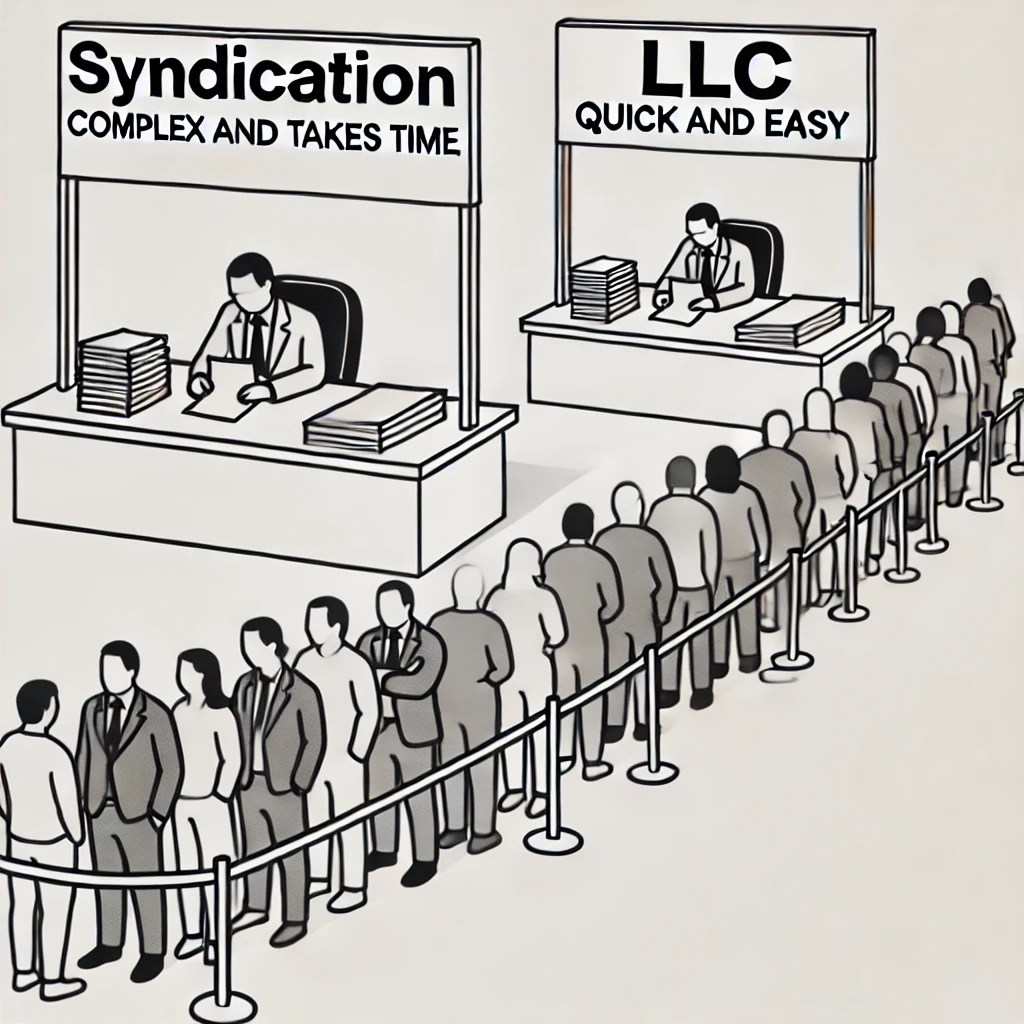
I can’t count the number of times I’ve heard investors tell me, “I’m just a passive partner in this LLC,” only to find out they’ve been handed all the risks and none of the protections.
It happened again just last week. I was talking to an investor about a deal we’re working on. He had expressed interest in investing with me in the past, and now that I had an opportunity available, I gave him a call.
Like I always do, I started by learning more about what he was looking for, whether this deal would be a good fit, and his prior experience. When I dove into the structure and explained the syndication process, I could tell he was a little lost. So, I asked him if he had passively invested in real estate before.
He said he had—twice, both times in mobile home parks. Curious, I asked for more details, but he didn’t seem to know much about how those deals were structured. That surprised me. If he’d invested passively before, why wasn’t he familiar with syndications?
When I asked if he might have invested in a fund, he clarified: no, the operator had simply set up an LLC, and he’d funded it. At first, I thought he must have been a lender—passive, yes, but not a partner. But no, he was a full-fledged member of the LLC. He had no role, no responsibilities—just a passive investor, while the other partner managed the parks.
And suddenly, his confusion made sense. He didn’t understand syndications because he hadn’t actually invested in one. What frustrated me wasn’t him, though—it was the operator who had raised money from him. Structuring the deal that way was not only unethical but potentially illegal.
Joint venturing can be a great way to purchase properties—but only when it’s done between active investors, with clear roles and expectations. When raising money from investors looking for a passive role—high-income earners, retirees, or high-net-worth individuals—there are specific legal ways to do it. These investors typically aren’t looking to manage properties or make decisions; they want limited liability and a truly passive income stream.
Unfortunately, this isn’t the first time I’ve heard a story like this. I’ve had other investors tell me about deals that went south—money lost, poor management, you name it. And when I dig deeper, the common thread is almost always the same: the operator bypassed the proper methods, choosing to set up an LLC for a joint venture instead of structuring a compliant syndication.
Why? To save the $10,000 to $15,000 a syndication lawyer would cost? To me, this isn’t just a mistake—it’s a character flaw. If an operator is willing to gloss over the legalities of raising capital, what else are they willing to gloss over?
In this particular case, the investor wasn’t complaining about the operator or the deal. He didn’t feel his money was being poorly managed—he simply didn’t know any better. But ignorance of the right methods doesn’t make the risk any less real.
Misrepresentation and Misunderstanding
The real problem is that these so-called “passive partners” aren’t just passive—they’re completely unaware of what they’ve signed up for. They’ve handed over money, trusted someone else to handle the deal, and now they’re listed as a member of the LLC. Sounds fine, until you realize what that actually means.
Here’s the issue: LLC membership isn’t some honorary title. It comes with responsibilities and liabilities. When you’re a member, you’re not just an investor—you’re a partner in the business. More importantly you are not a “passive partner”. And if things go wrong, you might find yourself on the hook for more than you bargained for.
Now, I totally understand that most of these deals start with good intentions. The operator (or the guy running the deal) doesn’t think they’re doing anything wrong. They just want to raise some money, close the deal, and get to work. And the investors? They’re just happy to hand over a check and collect returns. They want to be passive, they want a deal, and this operator is offering it. Everybody wins, right?
Wrong.
The second you are added a passive investor to an LLC without having your role defined or following the proper legal steps, you’re walking into a minefield. Why? Because that, you, the passive investor now has a foot in two worlds: the liability of a partner but none of the control. If something goes sideways—lawsuits, unpaid debts, regulatory scrutiny—you’re in the firing line. And guess what? So is the operator.
It doesn’t help that most people don’t even realize they’re skirting securities laws when they structure these deals. If an operator is promising someone passive returns on their money, congratulations—they are offering a security. And securities are regulated for a reason. The SEC doesn’t care about their intentions; they care about the structure. And if the structure is off, you’re all in violation.
Here’s where the frustration kicks in for me. I spend a lot of time raising capital from investors, and every now and then, I’ll run into someone who tells me, “Well, I already put money into a deal like this.” And when I dig a little deeper, it’s always the same story. They’re on an LLC, they’ve got zero involvement, and they’re completely blind to the risks they’ve taken on. I feel like screaming, “This isn’t how it’s supposed to work!”
It’s not just bad for the you the passive investors—it’s bad for the industry. Deals like this erode trust and make it harder for the rest of us who are trying to do things the right way. If you’re going to invest in a deal and invest capital, make sure that the deal is structured properly. If you really want to invest passively, know what you’re signing up for. Because once things go wrong, no one’s going to care about the good intentions the operator had.
How It’s Supposed to Work
Let me break this down for you, because I’ve seen too many investors get caught up in deals that are set up the wrong way. If you’re a passive investor—meaning you’re handing over your money and trusting someone else to do the work—you need to understand one thing: the way the deal is structured matters. A lot.
First, let’s get one thing straight: if someone promises you a “hands-off” investment, but then makes you a member of an LLC, you’re already in murky waters. Here’s why: being listed as a member in an LLC means you’re technically a partner in the business. And partners? They’re expected to be involved. If you’re not, that’s a problem—not just for you, but for the person who structured the deal.
The Right Way to Invest Passively
If you want to invest passively (and keep it passive), there’s a better way: syndication. This isn’t some fancy buzzword; it’s a structure designed specifically for situations like this. In a syndication, there’s a clear separation between the people running the deal (the general partners or GPs) and the people funding it (you, the limited partners or LPs).
- Limited Partners (LPs): That’s you. You provide the capital and share in the profits, but you don’t make decisions or manage the property. And here’s the best part: your liability is limited to the amount you’ve invested. No surprise lawsuits. No unexpected responsibilities.
- General Partners (GPs): They’re the ones running the show. The GPs handle the day-to-day operations, make the decisions, and take on the risks that come with managing the investment. That’s their job. Yours is to sit back and let them do it.
It’s simple, clean, and—most importantly—compliant with SEC regulations.
How to Spot the Red Flags
Now, let’s talk about what to watch out for. If someone’s pitching you a deal and saying, “It’s passive income!” but also making you a member of an LLC, start asking questions. Here are a few to get you started:
- What’s my role in this deal?
If the answer is anything other than “You’re a passive investor and not involved in operations,” that’s a red flag. - Am I a limited partner or an LLC member?
Limited partners are passive; LLC members are active. Make sure they’re clear about where you stand. - Is this deal structured as a syndication?
If it’s not, ask why. If they can’t give you a straight answer, run. - Is this investment SEC-compliant?
If the person raising capital doesn’t mention SEC compliance or exemptions (like Regulation D), that’s another red flag. They might not even realize they’re breaking the law—but ignorance isn’t a defense.
Why This Matters to You
Look, I get it. When someone’s pitching you a deal, all you care about is whether you’re going to make money. But trust me, if the deal isn’t structured properly, that’s the last thing you need to worry about. Because if something goes wrong—whether it’s a lawsuit, a market downturn, or the operator mismanaging the property—you could end up holding the bag. And nobody wants that.
By investing through a syndication, you protect yourself. You know exactly what your role is, your liability is limited, and you can focus on what you signed up for: earning passive income.
Why Structure Matters: LLC vs. Syndication
Let’s clear this up because it’s a common area where things go sideways. When you invest passively, the way the deal is structured can make all the difference. Here’s a side-by-side comparison to show you what I mean:
LLC with Passive Investors (Improperly Structured)
- Your Role: If you’re listed as a member of an LLC, you’re considered an active participant by default—even if you’re not doing anything.
- Liability: Members can be personally liable for the LLC’s debts, lawsuits, or obligations, especially if the LLC’s legal protections (corporate veil) are pierced due to poor management or sloppy bookkeeping.
- SEC Compliance: Placing passive investors in an LLC without properly following securities regulations often violates the law, even if it’s unintentional.
- Risk: If something goes wrong, you might be dragged into a legal or financial mess you never signed up for.
Syndication LLC with Limited Partners (Properly Structured)
- Your Role: As a limited partner (LP) in a syndication, your role is crystal clear: you’re a passive investor, and the general partners (GPs) handle everything.
- Liability: Your liability is limited to the amount of your investment. You’re not responsible for lawsuits, debts, or operational mishaps.
- SEC Compliance: Syndications are structured to follow SEC regulations, protecting both you and the operator.
- Safety: Your role is protected, your risks are minimized, and you can focus on earning returns without operational headaches.
Here’s the key takeaway: Syndication provides clarity and protection. It separates passive investors from the risks of active management and ensures everything is done by the book. With an LLC that’s not properly set up, you’re left exposed to liabilities, regulatory issues, and the potential fallout of someone else’s mistakes.
If someone approaches you with a deal and says, “We’ll just make you a member of the LLC—it’s passive,” ask yourself: Why not just structure it as a syndication? If they don’t have an answer, you should probably walk away.
Key Differences Between Improperly Structured LLCs and Syndications
| Aspect | Improperly Structured LLC | Syndication LLC with LPs |
| Investor Role | Members, assumed active participation | Passive investors (LPs) |
| Liability | Personal liability possible if veil is pierced | Limited to investment amount |
| Compliance with SEC | Often violates securities laws | Fully compliant if structured properly |
| Management | Blurred roles, potential disputes | Clear separation (GP vs. LP) |
| Legal Risk | Higher, due to unclear structure | Lower, due to well-defined roles |
If someone’s asking you to invest in their deal, don’t be afraid to ask questions. The good operators—the ones who know what they’re doing—will appreciate it. They’ll have clear answers, and they’ll walk you through the structure step by step. The bad ones? They’ll dodge, deflect, or worse, try to make you feel like you’re the problem for asking.
Don’t fall for it. This is your money, your future. Make sure it’s being handled the right way.
What Can Go Wrong
Let’s talk about what happens when these deals aren’t structured the right way. I know it might sound dramatic, but I’ve seen the fallout firsthand, and trust me, it’s not pretty. When someone throws together an LLC and promises passive returns without knowing what they’re doing, they’re setting everyone up for failure. Here’s how:
- Liability You Didn’t Sign Up For
- You might think you’re just writing a check and waiting for the cash flow to roll in, but if you’re listed as a member of the LLC, you’re technically a partner. That means you could be held personally liable if something goes wrong—lawsuits, debts, fines, you name it. All because the deal wasn’t structured to protect you.
- Imagine getting a letter in the mail one day about a lawsuit against the LLC. Maybe a tenant slipped on an icy sidewalk, or the property defaulted on a loan. If you’re a member of that LLC, guess what? Your name could be on that lawsuit. Now your so-called “passive investment” is turning into sleepless nights and calls to your attorney. That’s not what you signed up for.
- SEC Trouble for Everyone
- Here’s the thing: the SEC doesn’t care about your good intentions. If someone raises money from you with the promise of passive returns, they’re offering a security. And securities have rules—big, complicated, can’t-ignore-them rules. If the operator skips these steps and you’re part of the deal, the whole thing could unravel. Worst-case scenario? Fines, penalties, and possibly refunding all the money—even if the deal was profitable.
- Now, you might be thinking, “But I’m just the investor—why would this come back on me?” Because when the SEC investigates, everyone involved gets pulled into the mess. Even if you didn’t break the rules, you’re stuck explaining why you were part of a non-compliant deal.
- No Real Control, All the Risks
- When you’re a member of an LLC, you technically have a say in the business, but in reality, most “passive” investors don’t want that. You’re trusting the operator to make decisions, but if they screw up—say, they mismanage the property or take on too much debt—you’re going down with the ship. And the worst part? You don’t even have the control to steer it away from disaster.
- Reputation and Relationships
- Bad deals don’t just hurt financially—they damage trust. If the operator takes shortcuts and things blow up, it’s not just their reputation on the line. You, as an investor, might also find yourself explaining to your network why you were involved in a deal that went south. And let’s be honest, nobody likes having to clean up someone else’s mess.
Why These Pitfalls Matter
I don’t say this to scare you; I say it to wake you up. Real estate investing can be incredible—it can create wealth, freedom, and opportunities you never thought possible. But only if it’s done the right way. Cutting corners with structure might seem easier in the moment, but the risks aren’t worth it. Trust me, I’ve seen too many deals blow up because someone thought they could “get by” with an improperly set-up LLC.
If you’re going to invest, do it the right way. Ask the hard questions, demand proper structure, and don’t settle for anything less. Because when things go wrong, good intentions won’t protect you.
Why This Needs to Stop
Too many operators take shortcuts, putting themselves and their investors at unnecessary risk. Why? To save time? To cut costs? Or is it simply ignorance? Good intentions or not, it’s not just careless—it’s dangerous.
Investing in Mobile Home Parks—or any real estate—can transform someone’s financial future. But there are already enough challenges investors need to worry about:
- Is the operator ethical?
- Is the deal priced right?
- Can the operator execute?
- Will I lose my money?
- How long will this turnaround take?
- Will my funds be tied up too long?
Adding one more pitfall—Is my deal following SEC regulations, and am I at personal risk due to the structure of the holding?—is something that should never even be on the table.
Now, I’m not against joint ventures or using a simple holding LLC for real estate deals—if you’re an experienced, active investor. You know the risks, understand the responsibilities, and can take an active role when needed. But if you’re seeking passive income, there are only three real paths: syndications, funds, or debt lending.
Here’s what I see far too often: operators who come from the single-family world—rehabbers, landlords, or those investing with friends and family—try to bring those same strategies into commercial real estate. They stick to what they know, and that often means cutting corners. But this isn’t just about cost-saving—it reveals something deeper about their character as an operator.
As a passive investor, you’re investing in more than just a deal—you’re investing in the person running it. Do they have the knowledge, skills, and integrity to do things the right way? Are they willing to learn the legal and industry nuances? If not, you shouldn’t give them your money. And if they do understand the rules but still choose to cut corners? You definitely shouldn’t give them your money.
Yes, syndications cost more to set up. Yes, they take more time and paperwork. But if you’re serious about building a reputation and creating longevity in this business, the right way is the only way.
For an industry often plagued by scams and bad actors (hello, American Greed), raising capital incorrectly only deepens the damage. It siphons good capital into bad deals, creates unnecessary risk for investors, and makes life harder for good operators who do things the right way. If we want to raise the bar in this industry, it starts with doing the basics—structuring deals properly, protecting investors, and building trust one solid deal at a time.
A Call for Better Practices
At the end of the day, it’s your money—and your responsibility to make sure it’s being handled the right way. Don’t settle for vague promises or poorly structured deals. Ask the tough questions, understand the risks, and make sure the operator has done their homework.
Because when you invest in a deal that’s properly structured—as a true limited partner in a syndication—you get the best of both worlds: passive income without the unnecessary risks. You’re protected, your role is clear, and you can focus on what really matters—building wealth and creating opportunities for yourself and your family.
If you’ve ever felt uncertain about a deal or want to learn more about what a properly structured investment looks like, I’m here to help. Let’s make sure your next investment is one you can feel confident in—because that’s what passive investing should be.
For the Operators out there-If we’re going to make this industry better, it starts with all of us doing the right thing—no matter how tempting shortcuts might be.”
Did you Like this?
If you want to talk about Single Family houses and why they are the worst investment to make in Real Estate, Passive Investing, or just Park Operations in general, use this link to set up a Zoom Call with me. Let’s Talk!
Lock N’ Load
–The MHP Operator
Disclaimer: The information provided in this article is for educational and informational purposes only. It is not intended as financial or legal advice. I am not a licensed financial advisor, lawyer, or CPA, and you should consult with a licensed professional before making any legal or investment decisions.
