

Stabilization doesn’t come with a finish line—it sneaks up on you. It looks like tenants finally signing leases without argument. Like billbacks getting paid. Like a rehab that rents above projections. And this quarter, across three very different communities, we started seeing those signs.
I always tell investors there are different measurements of stabilization in a community: Tenant Stabilization, Unit Stabilization, Park Stabilization, and Financial Stabilization. They usually happen in that order. When we take over a value-add community, it starts with disruption—rent raises, new rules, new leases, and in some cases, evictions. That causes a major fluctuation in residents right from the start.
We go tenant by tenant, reviewing who’s a non-payer, a chronic late-payer, a problem tenant, who needs to go, and who wants to stay. Once we’ve removed the “bad” tenants and locked in the remaining residents with annual leases at increased rates and proper billbacks, we’ve hit a huge milestone. That’s Tenant Stabilization. It tells us the remaining tenants are giving us a vote of confidence—they’re willing to pay more because they see the value we’re bringing to the community. This phase gives us a foundation to build from.
Unit Stabilization is different. It means rehabbing or demoing every vacant home and leasing up everything that’s already on-site. This takes time, coordination, and a steady hand. Hiring vendors, managing construction, and removing homes can be disruptive—but when it’s done, it gives the park a major lift in both curb appeal and financial performance. When every home is repaired or leased up, that’s unit stabilization.
Park Stabilization comes next. This is when the capital improvement plan is fully executed—roads fixed, infrastructure upgraded, vacant lots filled. It’s the point where no big surprise costs are hanging over our head, and no major capital projects are left undone. When we reach this phase, investors can rest assured that the community improvement plan has been completed and the park is fully stabilized.
Finally, we reach Financial Stabilization. That’s when all the homes are leased, all tenants are near market rent, and proper billbacks are in place to cover services. Sometimes, this phase lags behind park stabilization because new homes are still being sold or leased, and legacy residents may still need rent bumps. But once the community reaches this point, it’s performing cleanly and consistently—and is ready for refinance or sale. That means you are now Fully Stabilized.
These phases help us measure progress. But within each phase, there are moving parts—projects, plans, and decisions that shape the outcome.
This quarter, we rolled out our final round of initial rent raises and billbacks across all communities. These changes don’t come easy. They get pushback. But they’re necessary to reach stabilization, and we’ve now successfully implemented them across the board.
Dealing with capital improvements and infrastructure upgrades isn’t easy either. It drains reserves and opens the door to delays, overages, and vendor failures. Stabilizing a community takes planning, focus, and flexibility. But it’s also one of the most reliable ways to grow value and increase revenue.
This quarter, each of our communities saw major progress toward full stabilization. That doesn’t mean it was smooth—we faced roadblocks, and in some cases, we had to change course. But we moved forward. Every quarter, I write these updates to be as upfront about the bad as I am about the good. It’s easy to talk about the wins. It’s harder to talk about the struggles. But hiding the issues doesn’t help anyone—not the operator and certainly not the investors.
Investors deserve to see the difficulties we’re managing on their behalf. Because when the outcome is positive, and distributions go out anyway, it builds real trust. Hiccups and roadblocks might worry new investors at first—but after they see consistent progress, they start to realize: those bumps aren’t the problem. They’re just one more thing the operator will handle—on the way to making the investment better.
Collections, Compliance, and a Cultural Shift
If there’s one thing that stood out this quarter, it was how much tighter our collections and tenant compliance became across the board. And it wasn’t by accident.
We’ve been aggressive (but fair) about enforcing leases, late fees, and the new service billbacks—and tenants are getting the message. Between the three communities, we collected a total of $112,063 in rent and fees, with over $2,300 in late fees collected—more than seven times what we collected last year at Saracen alone. We’re no longer just hoping tenants pay on time. We’re charging for being late and rewarding those who follow the rules.
We also rolled out service billbacks across multiple parks:
These parks are mostly on master metered or private utilities, we provide lawn care, and even trash in some cases.
- Wenona added a $95/month charge for water, sewer, and lawn care,
- Honeysuckle implemented a $40/month charge on new leases,
- And Saracen which we rolled out phase 1 last year of water and sewer Bill Backs preparing to roll out similar billbacks in Q2 for trash and lawn care. This will bring total Bill Back charges to $83.5.
These aren’t just income bumps—they’re cost offsets that bring long-term sustainability. With city water now live at Wenona, for example, our water expense doubled, from just paying to operate the well to now paying for water use, but that bill is no longer ours to carry alone.
These changes helped push collections up over 20% at Wenona, and Saracen grew 32% compared to Q1 2024, thanks to a mix of increased rents, new charges, and better enforcement.
Move-Outs, Make-Readies, and Market-Rate Progress
We had our fair share of move-outs this quarter—nine total between the three parks—but the difference is in how we responded.
Instead of panic or delay, we treated each vacancy like an opportunity. Every home that turned got cleaned up, rehabbed, and leased at higher rents. At Honeysuckle, both units that broke leases in Q1 were back online within weeks—leased at higher rents than the ones that left. One was re-rented by March, and the second filled by April 1st.
At Saracen, we bought out one of the homes for $8,500, already have it scheduled for rehab, and will bring it back online under a rent-to-own program at full market rate.
And over at Wenona, we made a strategic pivot: instead of offering homes “as-is” for sale, we’re now renovating and leasing them move-in ready. It costs more up front, but the rent bumps speak for themselves:
- Lot 45, initially projected at $800, now has a tenant lined up at $1,050 + $95 billback
- Lot 52 moved from an estimate of $700 to a leased amount of $925
- Most units in that park that were expected to lease at $700–$800 are now getting $900–$950 + billbacks
The days of underpriced, underperforming homes are behind us. We’re putting better product on the market and asking for what it’s worth.
Financial Performance and NOI Growth
While each park is at a different phase of the turnaround, the trend across the portfolio is clear: we’re improving.
- Wenona collected $24,762.50 in income, had $15,000 in operating expenses, and ended the quarter with $9,400 in NOI, all of which is being distributed to investors.
- Saracen booked $11,632 in NOI, and after reimbursing ourselves for past water meter installations from reserves, ended up with $13,071 in free cash flow.
- Honeysuckle, despite significant capex and no reserve budget, operated profitably and posted a $3,800 profit for the quarter—even while absorbing a surprise rat infestation, 2 lease breaks, and multiple roof replacements.
We’ve also become more disciplined about planning for the future. At Wenona, we’re now tracking maintenance expenses as a % of income, holding any surplus over our 10% budget in reserves for future repairs. Saracen’s sitting on $28,000 in reserves, plus the Q1 profit, and Honeysuckle is holding back distributions in anticipation of seven total home rehabs by EOY.
One year ago, we were just starting the repositioning process. Now we’re funding our own repairs, returning to distributions, and growing cash flow the right way.
Projects, Progress, and Priorities
Q1 was a busy quarter for physical improvements. Across the parks, we tackled everything from plumbing to A/C units to roof replacements—and most of it without special assessments and most importantly NO capital calls.
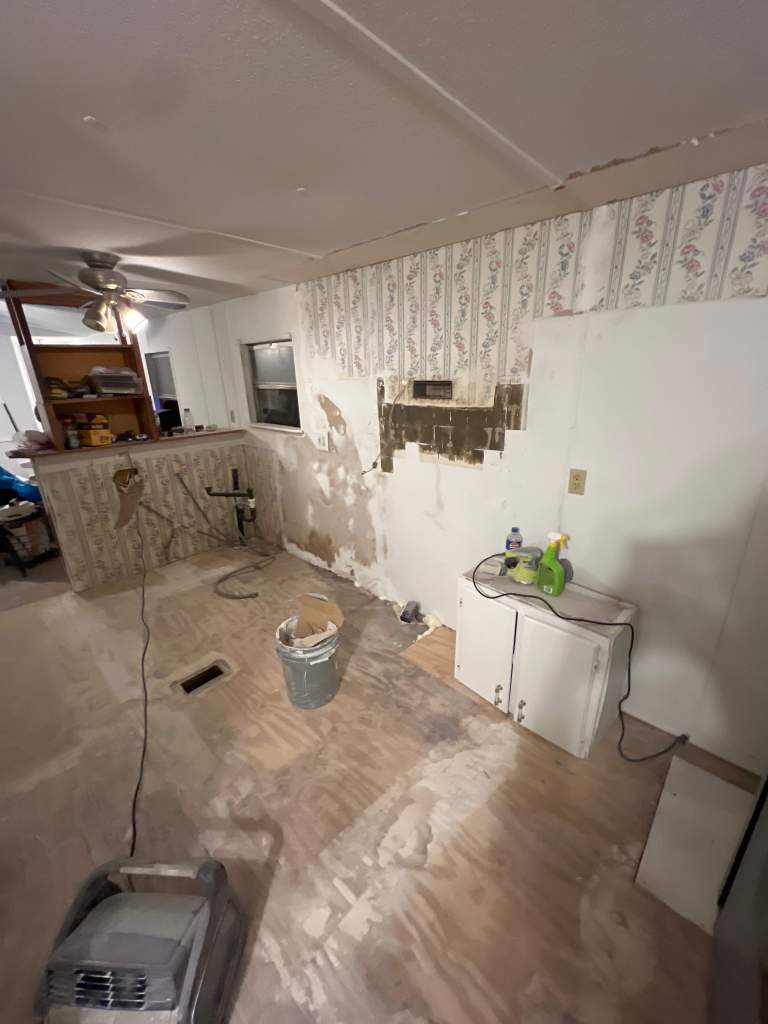
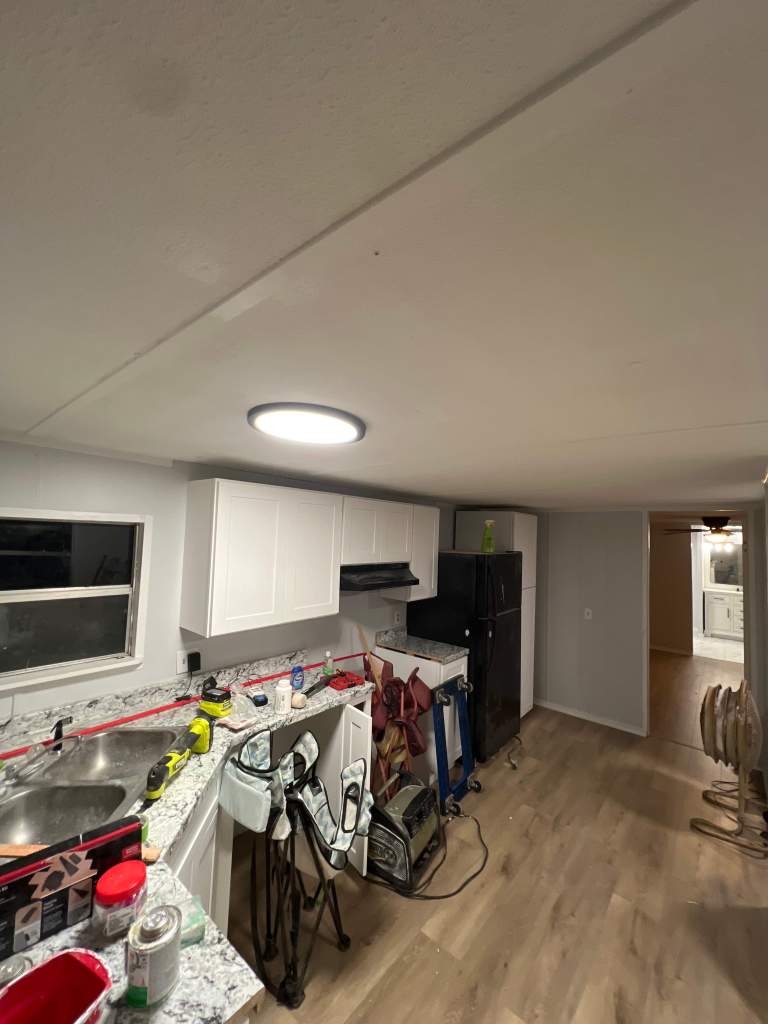

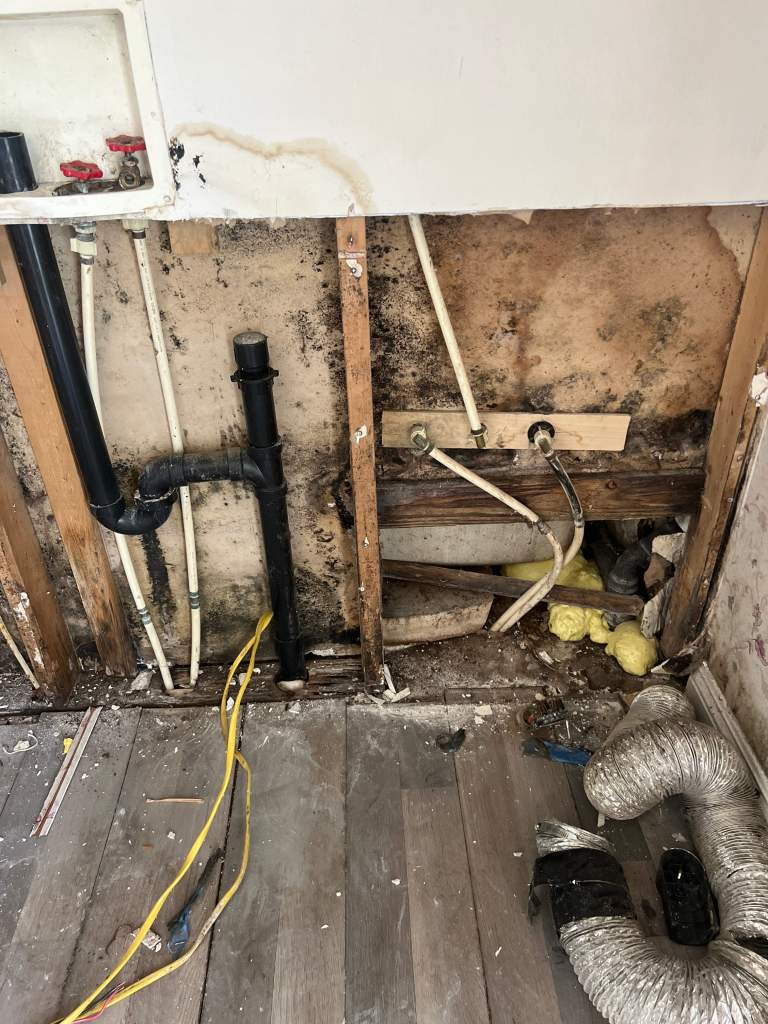


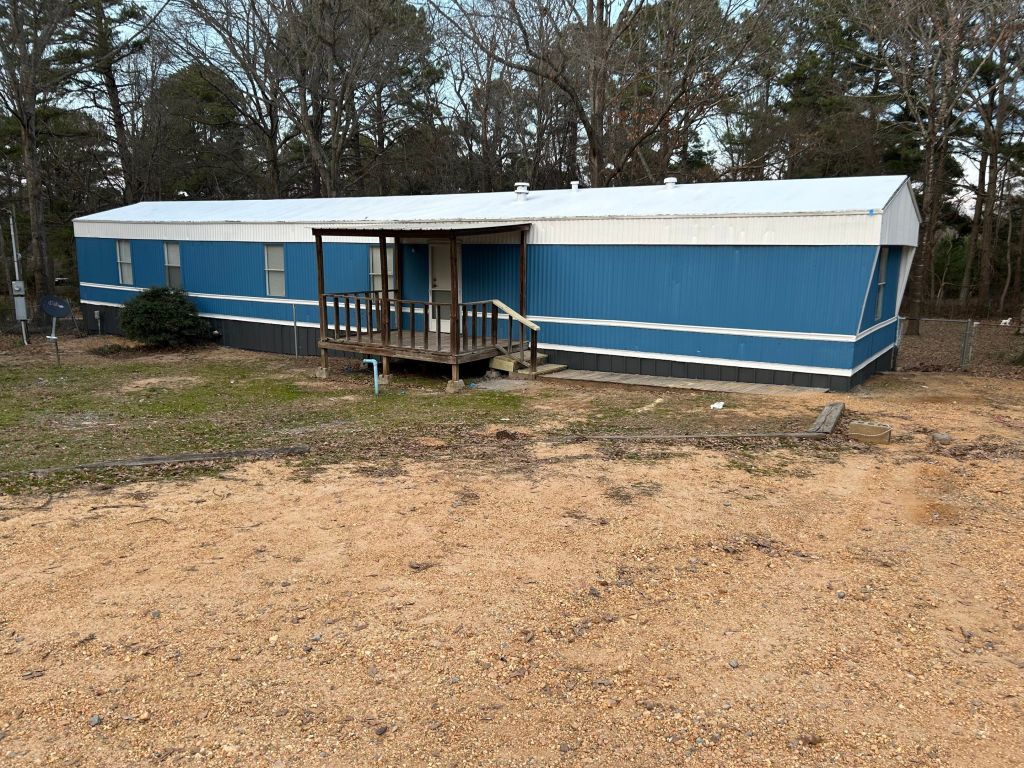

At Wenona:
- We invested $29,000 in capital improvements, including rehabs on three homes, a bathroom and kitchen remodel with a tenant in place, and final payments from the city water project.
- Septic system upgrades began—two new systems serving four homes are in process, with $19,000 in Q2 spend already allocated.
- A new vendor is now handling all rehabs moving forward, after two others ghosted us. Despite the setbacks, we’re on track to complete 6 rehabs in Q2 and potentially finish all vacancies this year to reach unit stabilization.
At Honeysuckle:
- We spent about $20,000 in capex, including full turn rehabs, four new roofs, and a full A/C system replacement.
- Dealt with unexpected rodent damage in one unit that required multiple plumbing repairs and pest control.
At Saracen:
- We’ve scheduled a $7,500 plumbing upgrade and additional $3,500 meter replacement and insulation project for Q2.
- Rehab plans are locked in for two homes (Lots 111 and 79), and final setup with CAMPSPOT is complete, which will enable online RV bookings and add a new revenue stream.
Across the board, these projects are either finished or underway—and all with a focus on value-add, not cosmetic fluff.
To complete these projects the right way, we have to make sure we’re getting materials and contractor bids at competitive rates. Take the plumbing upgrades at Saracen, for example—we had four different vendors bid the job over the course of eight months before landing on the right team. It took time, but it saved us money and gave us confidence in the scope and pricing.
Across all our communities, we’ve spent countless hours sourcing materials to drive down costs and increase quality. We’ve partnered with metal suppliers to start installing metal roofs and metal skirting—not only are these materials cheaper when bought wholesale, but they last longer and improve the curb appeal of the homes and the park. It’s a win on both the investment and the resident experience.
We also sourced cabinet suppliers at wholesale pricing, and we’ve vetted and interviewed multiple vendors per park to make sure the team fits the job and the community. That extra effort matters. It’s not just about getting work done—it’s about getting it done right, efficiently, and at a cost that supports the investment.
Stabilization might be the destination, but the journey is what determines the quality of that outcome. Reaching stabilization by blowing through budget, requiring capital calls, leasing units below market just to fill them, or dealing with high turnover from poor tenant screening—all of that undermines the success of the project. Hitting the finish line only counts if we ran the right race to get there.
Looking to the Future:
We’re also excited to share that we’re onboarding a new 73-lot community in Q2, and we plan to implement the same strategies we’ve refined—just at a faster pace.
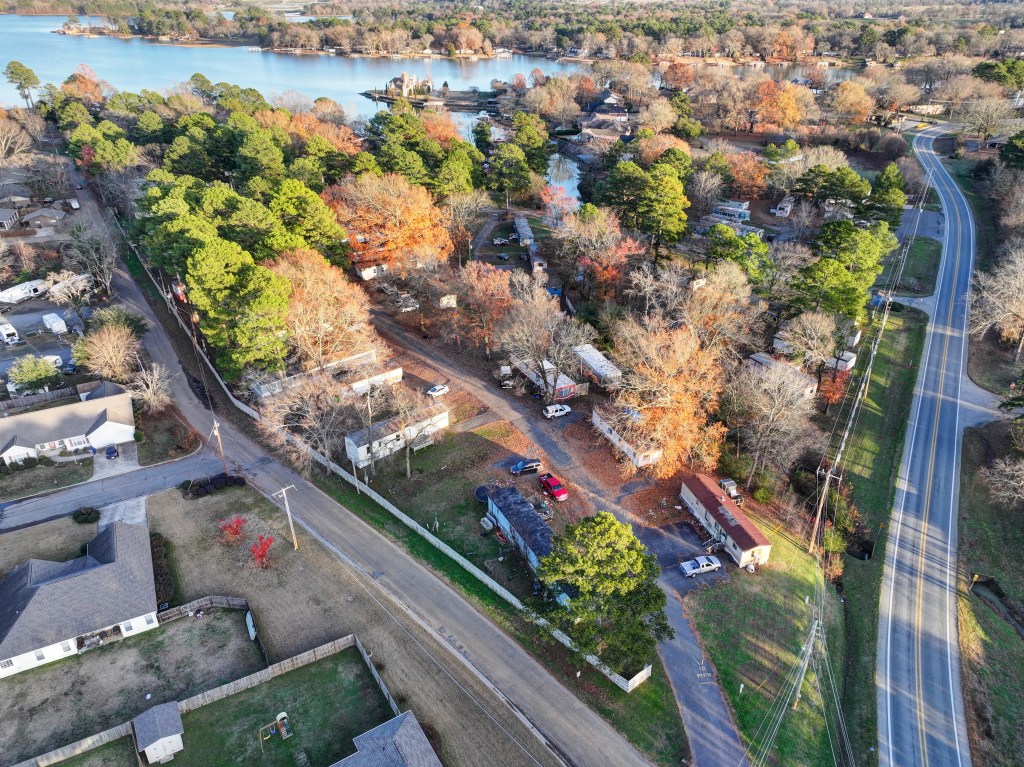

One of the biggest advantages of operating mobile home parks is the cross-utilization of teams and systems, along with the ability to apply lessons learned from prior communities. Every park we’ve stabilized has made the next one smoother, quicker, and more efficient. When new acquisitions are near existing properties, like this one, we’re able to leverage the same crews, materials, vendors, and systems—cutting down timelines and reducing friction.
At this new park, we’ll be doing just that. Thanks to the proximity to one of our current communities, we’ll hit the ground running. The plan is to reach Tenant and Unit Stabilization in half the time it took at our previous parks. What used to take 12–24 months, we now believe we can accomplish in 6–12 months—because the systems are in place, the team is trained, and the roadmap is already built.
This is exactly why we spend so much time dialing in operations: not just to improve a single community, but to create repeatable success across our portfolio.
What We’re Building (And Why It Matters)
These aren’t just park improvements—they’re systems improvements.
We’re not making emotional decisions. We’re tracking cost per unit, enforcing leases, raising rents, and reserving intelligently. We’re turning parks into businesses that can scale, not headaches that survive quarter to quarter.
We’re also earning the trust of our tenants. The ones who stayed through the Wenona turnaround? They signed leases, accepted rent increases, and agreed to the new community rules and charges. That doesn’t happen unless they believe in what we’re building.
The endgame? Consistent income, fully stabilized parks, and distributions backed by real performance—not projections. And Q1 was a huge step in that direction.
Final Thoughts
Stabilization isn’t a checkbox—it’s a process. And this quarter, we saw real progress across that process in all three of our parks. Rents were raised and collected. Billbacks were implemented and enforced. Vacant homes turned into income-producing units. And most importantly, we stayed disciplined—focused on doing the work the right way, without shortcuts or risky moves that could jeopardize long-term performance.
What used to take a year or more, we’re now doing in half the time. That’s the value of experience, systems, and a team that’s been through the grind. Every challenge we’ve overcome at one park has made us better at the next. And with a new 73-lot community coming online in Q2, we’re set up to hit the ground running—using the same crews, same materials, and same playbook that’s already proven successful.
Of course, there are still roadblocks—vendor issues, surprise repairs, shifting timelines—but that’s part of the business. The difference is, we don’t run from it, and we don’t hide it. We handle it, communicate through it, and keep moving forward. That transparency is what builds trust. Because when you see us navigate the hard stuff and still deliver results, that’s when you know your investment is in good hands.
We’re proud of the progress this quarter. We’re focused on what’s ahead. And we’re just getting started.
LOCK N’ LOAD
-The MHP Operator
Disclaimer:
This article is for informational and educational purposes only. It is not an offer to sell or a solicitation of an offer to buy any securities. Any investment opportunity will be made only through official offering documents provided by Realovative Asset Management LLC in accordance with applicable securities laws.I’m not a financial advisor, CPA, or attorney. Everything shared here is based on my personal experience and opinions. You should always do your own due diligence and speak with licensed professionals before making any legal, financial, or investment decisions.
