

I opened my inbox, expecting the usual—tenant requests, vendor updates, maybe a notice from the city. But instead, there it was.
A complaint.
Filed with the State Attorney General.
Against me and my company.
I clicked the attachment and scrolled through the accusations. “Landlord refuses to make repairs. Landlord won’t replace broken appliances.” The tone made me sound like some back-alley slumlord, taking rent money and ignoring my tenants. The letter was informing me of an investigation and I needed to provide proof against these allegations, as if I was being put on trial.
And the kicker? The tenant filing the complaint was one I knew well.
For two years, I had dealt with this Section 8 tenant. Two years of lease violations, trash piling up, roach infestations, illegal occupants, and repeated requests for appliances while refusing to clean up the filth.
Now, after refusing to meet the basic standards of hygiene and home upkeep, she was painting herself as the victim—and she found a government agency willing to listen.
I knew we were in the right. But the real question was: Would the state care about the truth, or just the complaint?
Was I not repairing her requested items. Yes I was refusing to do the repairs. But why?
The Beginning: A Warning Sign on Day One
Let’s rewind.
This was our first park—our big step into mobile home park ownership. I was excited, walking the property, shaking hands with tenants, handing out welcome letters, and getting a feel for the community.
Then I came to her unit.
Trash was scattered around the home. The porch was packed with random junk. A full family sat outside smoking, eyeballing me like I had just stepped onto their turf.
I asked the usual: “Any issues with the home?”
“Yeah, we got some things,” they said.
They led me inside. I barely stepped through the door before I was hit with a wall of cigarette smoke so thick it burned my throat and made my eyes itch. The floors were stained, the air was heavy, and I could already see signs of bugs, roaches, and rodent droppings.
They pointed out a loose hinge and a soft spot in the floor. Minor issues. Nothing requiring immediate action. But what I saw was a disaster waiting to happen.
We had not gotten our new lease in effect yet. No official community rules in place. Just me, standing in a smoke-filled, trashed-out unit, thinking: This one’s going to be trouble.
And I was right.
The Slow Burn of a Problem Tenant
The first real request came two months later—a plumbing issue. We sent a plumber right away. No problem.
Then came the request for new appliances.
I had no issue replacing them. We’d been upgrading units throughout the park, investing back into the community. But then our appliance vendor called.
“I got a problem,” he said. “This place is crawling with roaches. If I put in new appliances, they’re going to be infested immediately.”
He sent me a video of a roach infested fridge. He said they have overtaken the appliances, pouring out from behind the fridge, nesting in the fridge and stove.
So we told the tenant: Clean the unit first, deal with the infestation, and then we’ll get you new appliances.
Radio silence.
For nearly a year, we didn’t hear from her. Every time I visited the property, I saw the same mess outside her unit—trash still piling up, signs of hoarding. We reminded her: You need to clean up!
Then in December, she finally claimed she had cleaned it up.
I drove to the property, hopeful that progress had been made. The outside was better. But inside? Same disaster zone. Rotten food left out, trash piled high, bugs still crawling across the countertops and walls.
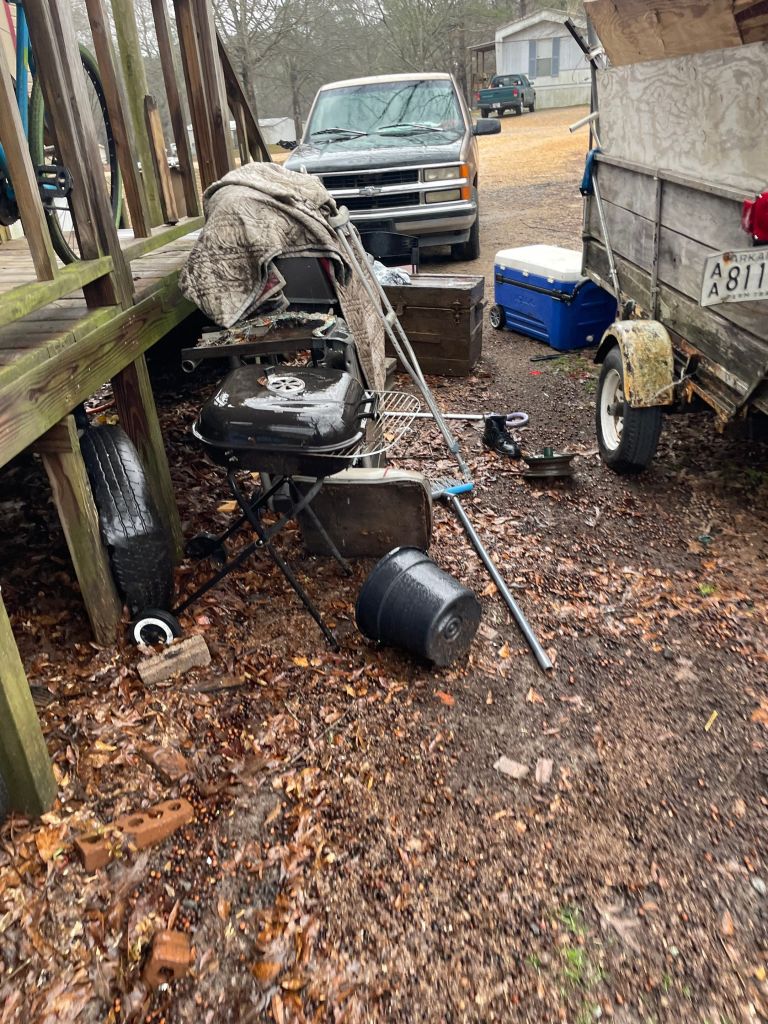
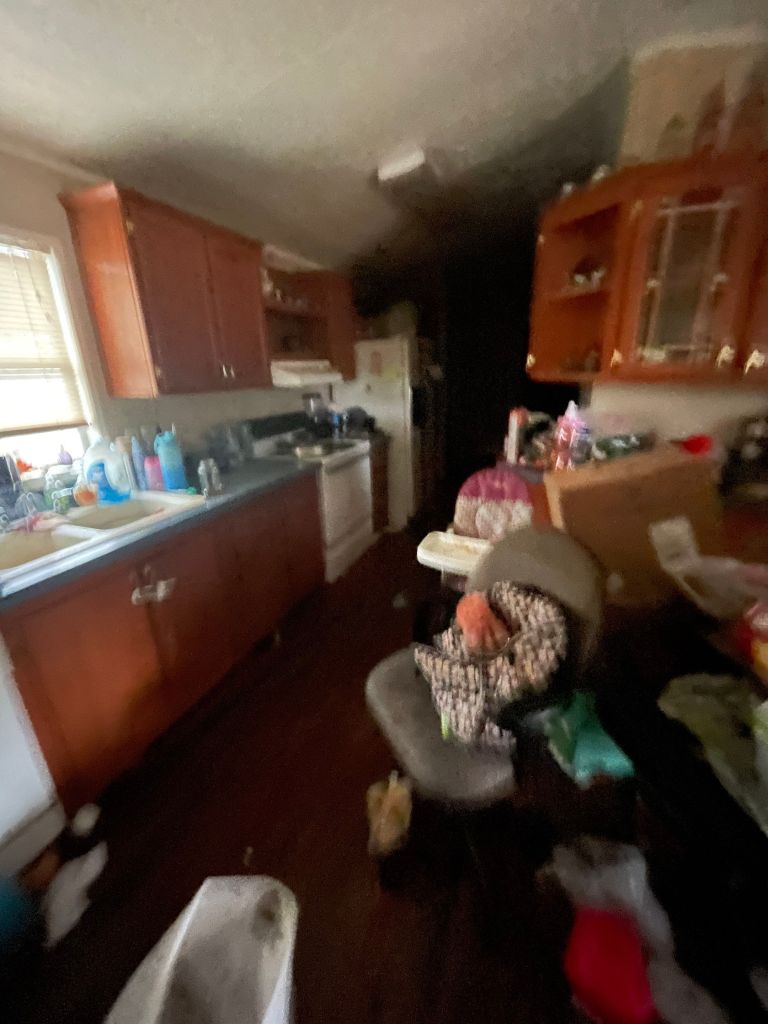
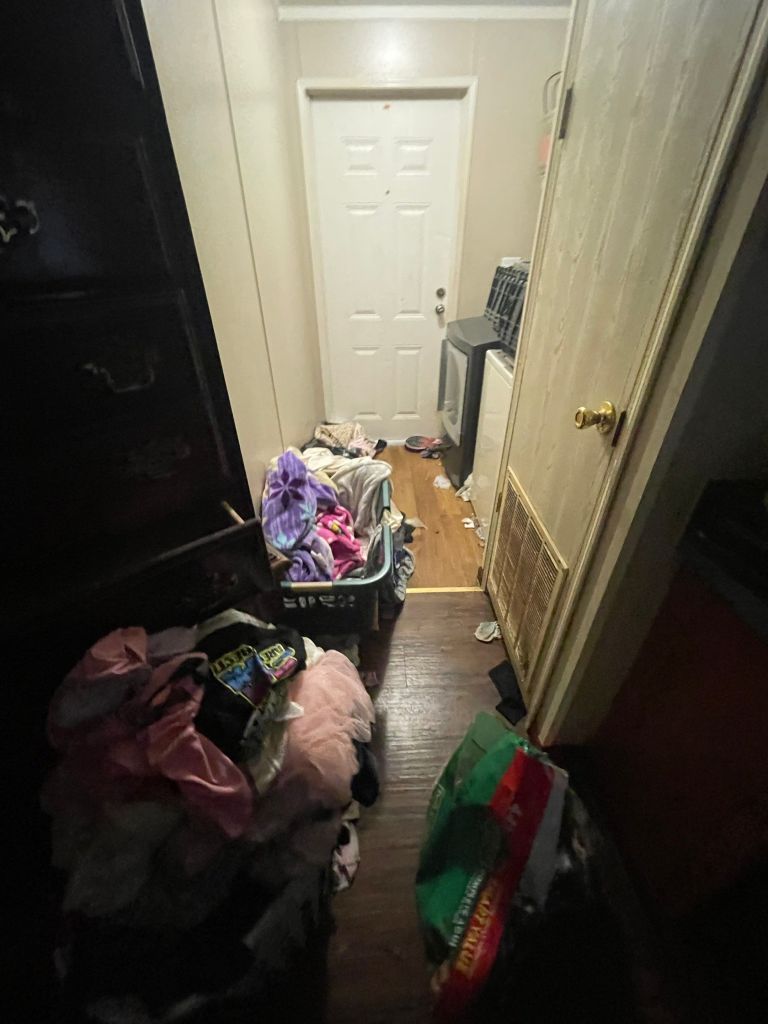

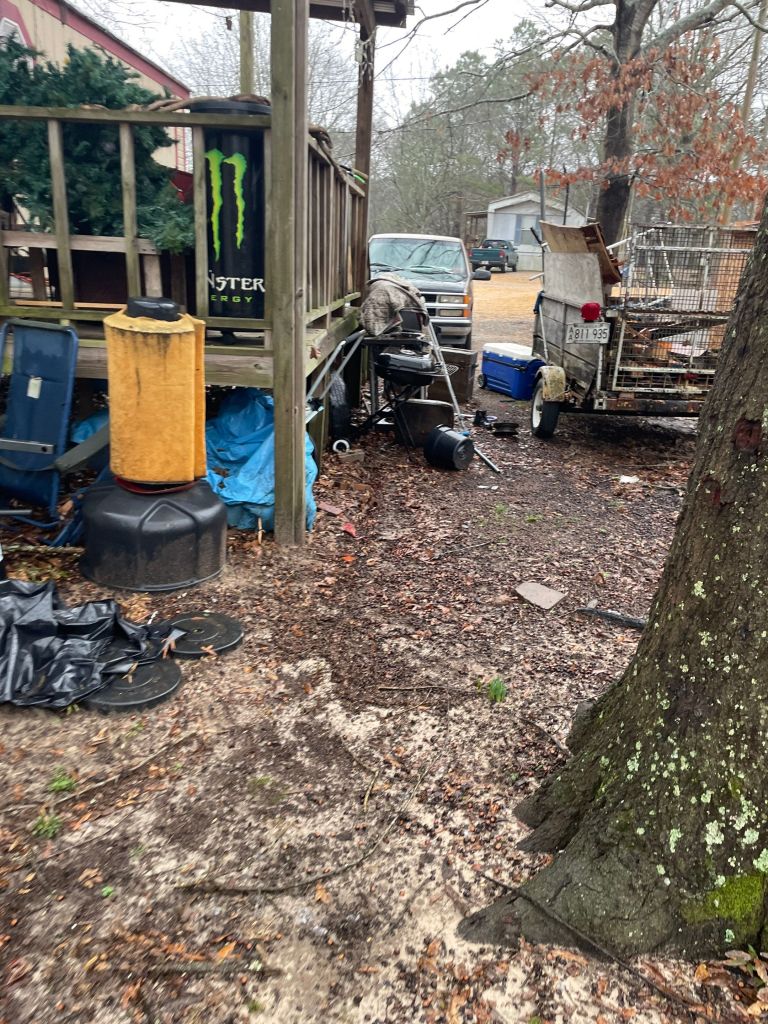
We told her again: You need to clean up.
And she did clean up the exterior. For about a month. Then the junk and filth piled up all over again.
This pattern repeated over and over. Requests for repairs. Inspections revealing zero effort to improve the conditions. New people living there without permission. Smoking indoors in direct violation of the lease.
Other tenants had no problem keeping their units clean when asked. In that same time span, we had replaced 21 appliances for residents who did their part. We installed 9 new ac and heating units, put on 5 new roofs, rehabbed over a dozen homes. We handled leaks, mold, put in multiple new showers and tubs for tenants. We even cleaned up the grounds, asked tenants to do their part with their yards, remove junk, keep porches clean and clear, no personal items outside.
The difference? They all complied with our requests. More importantly the vast majority of them did not even need to be talked to. Homes were clean, pests under control, no junk filled rooms, no trash piling up on porches. They followed the rules and as a result, we handled their requests. In 2024 alone we had on average about 4 work orders per unit in the park, that’s over 100 work orders that year we handled for tenants.
This one tenant, was not like the others. We asked, we took time and visited each time she requested or said things were better. Only to go back and forth some more..
More importantly, we did not treat them like all the others. We evicted 3 other tenants over the last 2 years for issues, maintaining hard lines on our rules. This one tenant, we did not. We treated them differently, was it because they were on Section 8? Was it because we felt bad? Or was it because of the unit itself? Honestly, I do not know, but I recognize we made crucial errors that lead us up to this point.
The Breaking Point
Six months later, she put in another work order—the same request for repairs and appliances.
We scheduled another inspection.
Same story. Same filth. Same roaches. Even got a picture of a roach running across the wall while at the inspection. Got pictures of fresh rodent droppings. Clearly this issue was not solved.
One room was stacked so full of garbage we couldn’t even open the door. Her father—an unauthorized occupant—accidently admitted to the manager he was in fact living in the unit.

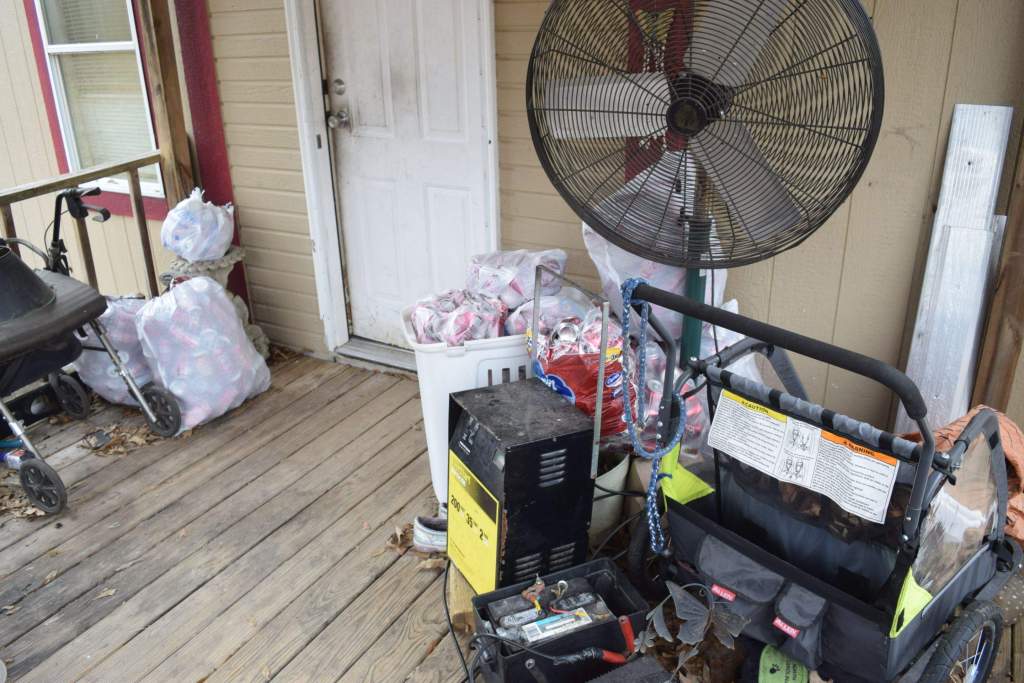
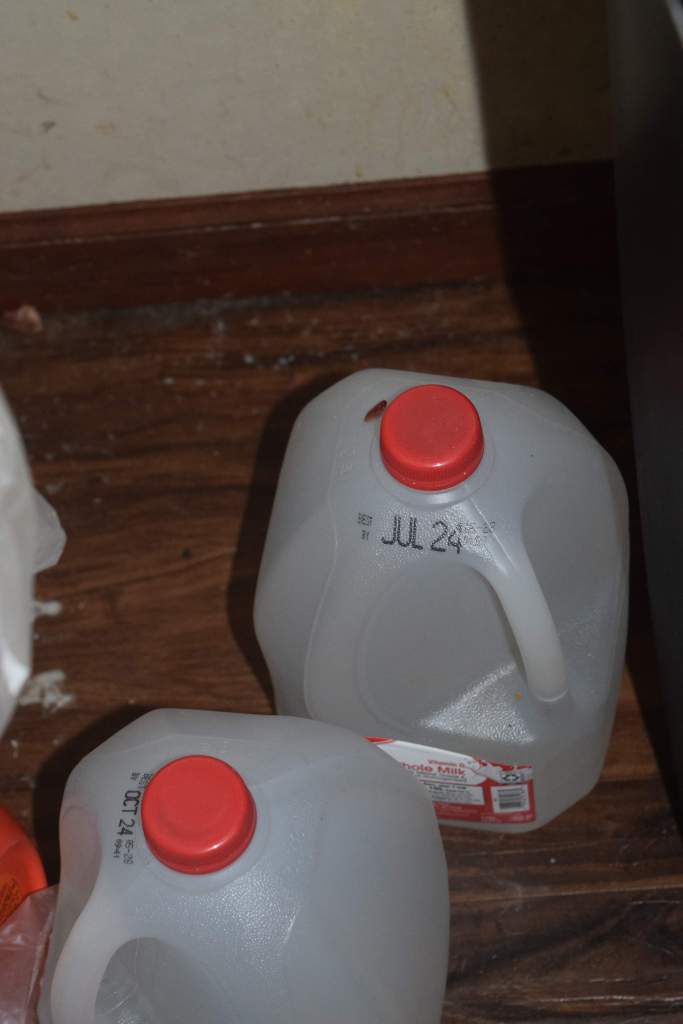

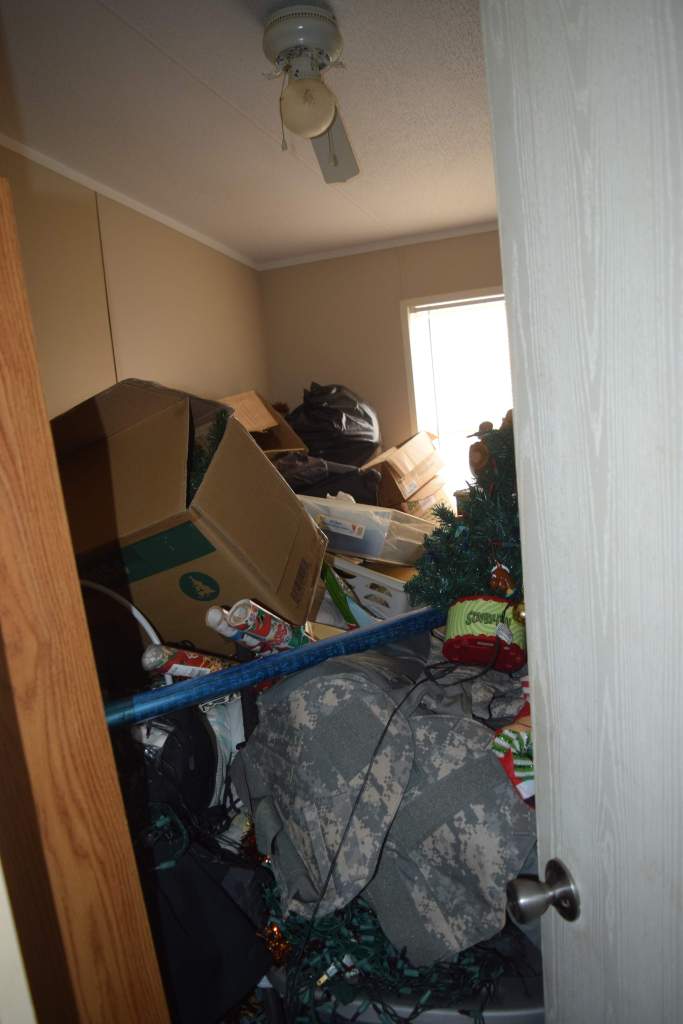
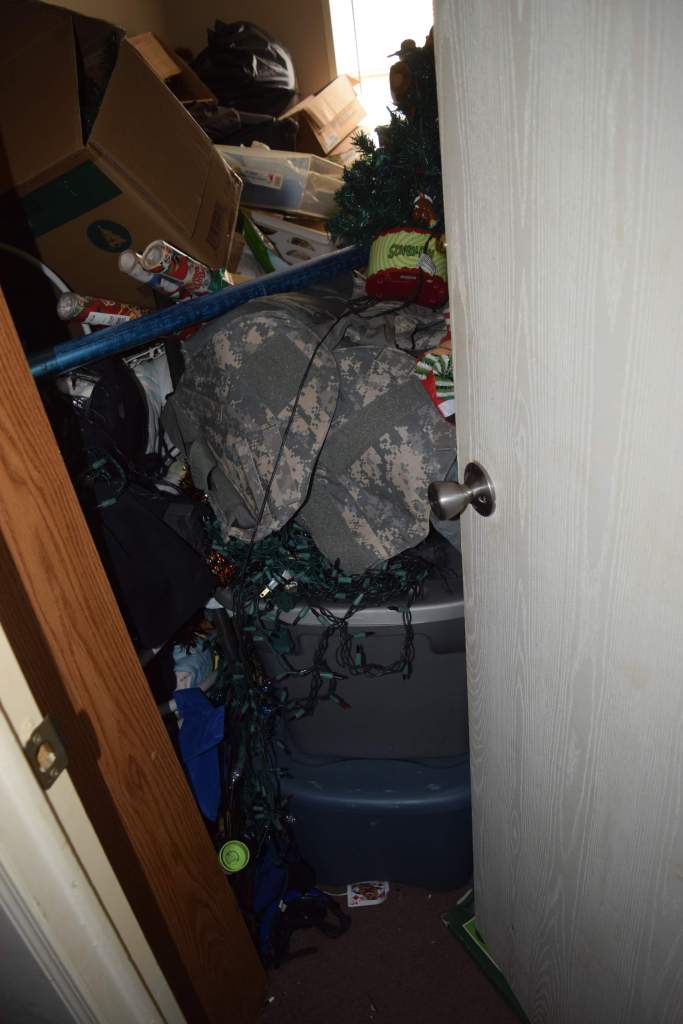
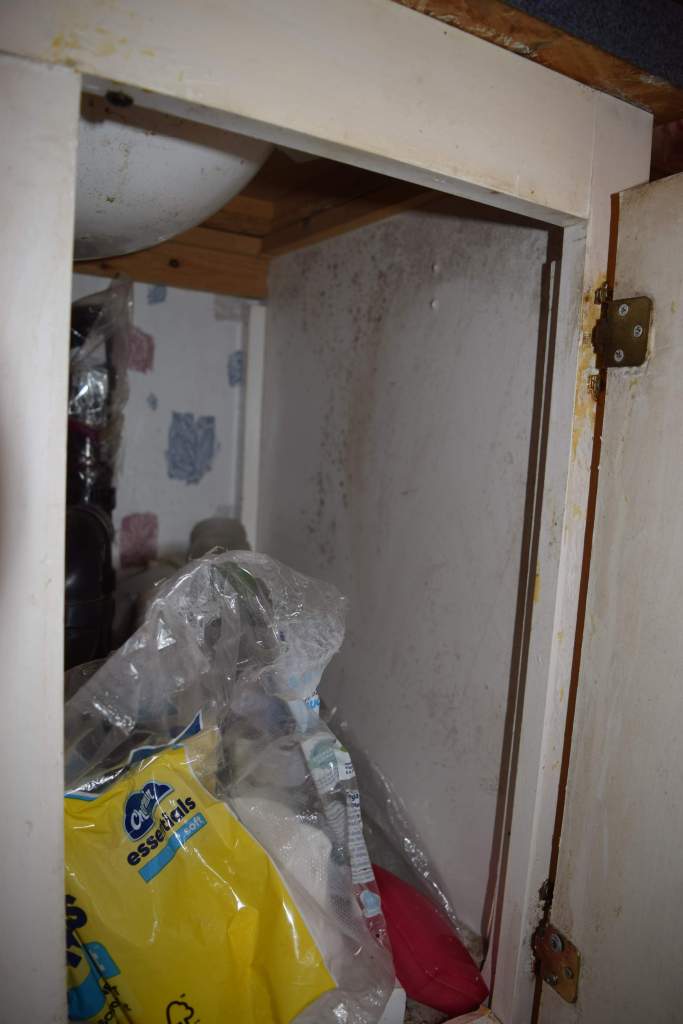

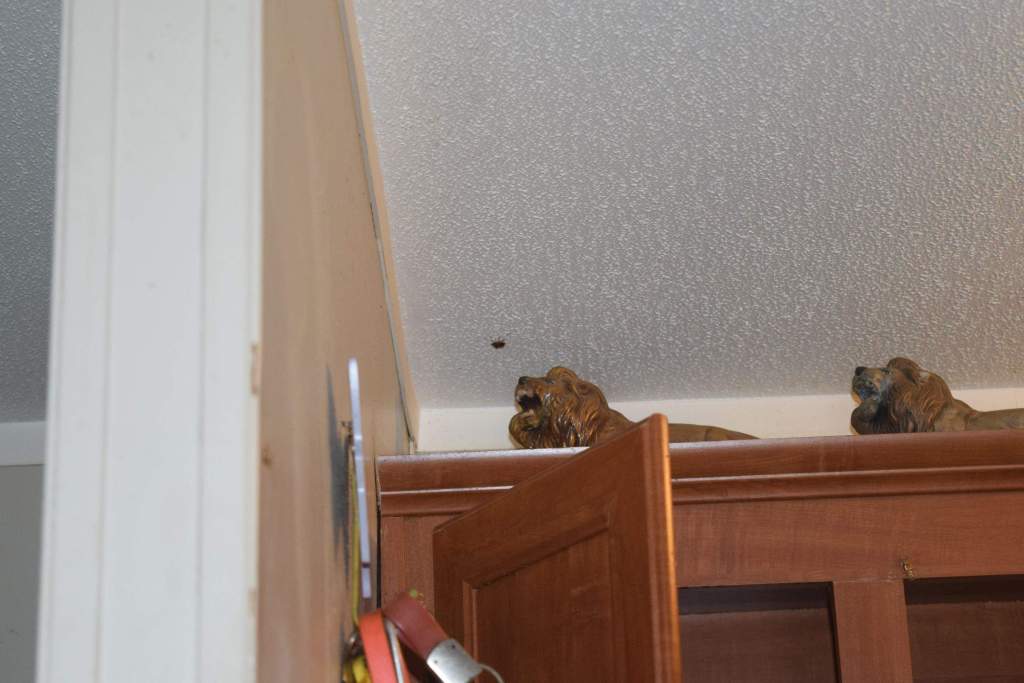
We posted official notices this time. After multiple parks, an active onsite manager to help, and years of experience we have better processes now. So she was served with multiple notices, we were starting to document everything a lot better.
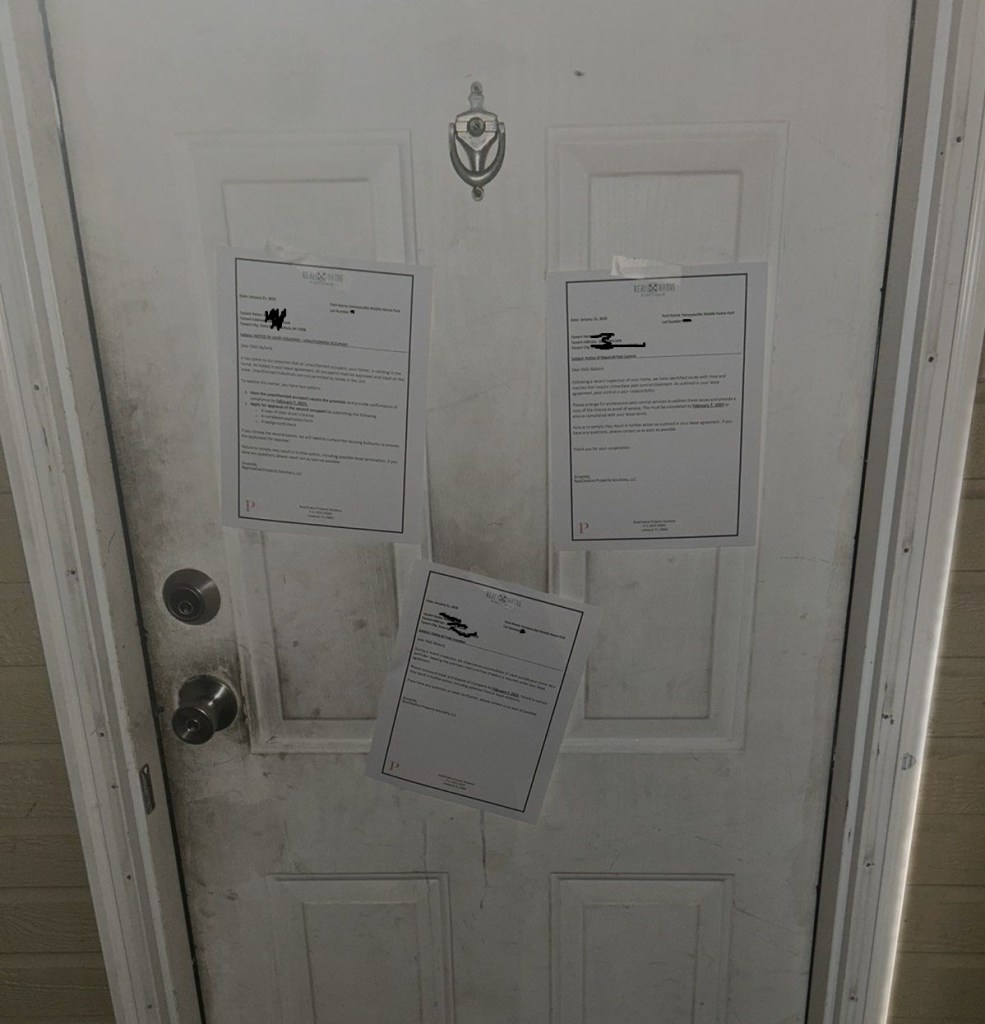
- Clean the unit.
- Remove unauthorized occupants.
- Fix the lease violations.
Our manager when on site, told her she needed to get all this in order, clear the junk and trash in her home. Her response?
“I’m not changing my lifestyle for you.”
She later responded to the unauthorized occupant notice. Claimed her father wasn’t actually living there—claimed she picked him up every day and dropped him off every night. Yeah, sure.
She also provided proof of payment for Pest control services quarterly. Stating had taken care of the infestation. She may be paying someone, but watching roaches run across the wall while at the inspection, would say this was anything but taken care of.
Then, out of nowhere, she filed a complaint with the State Attorney General’s Office. Well “out of nowhere” might not be true, the notices, I believe triggered all this. It went from arguing to now her getting notices posted on her door for the first time. So her response was filing a complaint. Not going to her housing authority, but rather the States Attorney General. Bypassing her local housing authority point of contact was an unusual step, considering the Housing Authority is more than equipped to deal with neglectful landlords, was a definite message.
She claimed we were refusing to make repairs. That we were denying her new appliances. That we were neglecting our responsibilities as landlords.
She conveniently left out the part about the roaches. The filth. The hoarding. The smoking. The lease violations.
And now, instead of dealing with her, I had to deal with the Attorney General.
Where I Went Wrong
Here’s the thing—I still stand by our decision. You don’t reward tenants who trash their homes. You don’t throw new appliances into a roach-infested unit.
But we made one major mistake:
We were too lenient.
For nearly two years, we let this slide. We gave verbal warnings instead of immediate written violations. We allowed the problem to fester because we were busy with bigger issues in the park.
If we had documented everything from day one, posting notices with each violation, we could have legally removed her sooner instead of letting her weaponize a state agency against us.
We won’t make that mistake again.
Lessons from an Operator:
This experience was frustrating, but it also taught me some hard but necessary lessons about managing a mobile home park. Here’s what I took away:
1. Documentation is Everything
If it’s not documented, it didn’t happen. We verbally told this tenant multiple times to clean the unit, but we didn’t consistently back it up with official, posted notices. That was a mistake. Had we posted notices every time, we would have built a clear paper trail proving that we made reasonable requests and gave her multiple opportunities to comply. Now, we’re stuck defending ourselves in front of the Attorney General without the airtight documentation that would have ended this complaint before it started.
Lesson: Every request, lease violation, or conversation needs to be documented. Post official notices, log every interaction, take timestamped photos, and send written follow-ups.
2. Set the Standard and Enforce It Early
We were too lenient. They were low income on Section 8 voucher, plus we didn’t want another vacant unit on our hands, so we let this situation drag out for two years. Instead of enforcing our lease and community standards from day one, we allowed things to slide. That sent the message that our rules weren’t serious.
Lesson: If a tenant isn’t following the lease, act quickly. Don’t let problems fester because you’re afraid of turnover. A bad tenant causes more damage in the long run.
3. Consistency is Key
Other tenants complied when we asked them to clean up and make repairs possible. They got new appliances, and we invested back into their homes. This tenant did not comply—and we let it become an ongoing battle. Had we been consistent in enforcing rules across all tenants, we would have handled this much sooner.
Lesson: Hold every tenant to the same standard. No exceptions, no endless second chances.
4. Be Proactive, Not Reactive
At the start, we didn’t have a formal process for handling requests, violations, or inspections. Everything was reactive—waiting until things got bad before acting. That left us in a defensive position. When we implemented regular inspections, formal notices, and a community manager, our ability to manage these issues improved dramatically.
Lesson: Create structured processes for everything—inspections, notices, rule enforcement—so you’re always ahead of the problem.
5. Some Tenants Will Never Change
We gave this tenant every opportunity to improve, and she refused. Some people simply do not respect the rules, no matter how fair you are. These tenants will drain your time, energy, and resources.
Lesson: Know when to cut your losses. Enforce lease violations early, and if compliance doesn’t happen, take the necessary steps to remove the tenant.
Final Thoughts
This complaint didn’t happen because we were bad landlords—it happened because we were too lenient early on. We tried to be fair, and we allowed this tenant to drag out an issue that should have been resolved in the first six months. If you own or operate a mobile home park, take my advice: document everything, enforce your rules, be proactive, and don’t let bad tenants dictate how you run your business. If you don’t, you might find yourself explaining things to the Attorney General just like I am now.
Stay tuned for a future article on how this all plays out.
Do you want to discuss this article or just talk about Parks in general? Use this link here to schedule a 1-on-1 Zoom video chat with me and Let’s Talk!
Join our Capital Partner Network and get priority on New Investment Opportunities. Receive Real Case Studies, invites to Educational Passive Investing Webinars, and Deal Webinars. JOIN NOW by using THIS LINK.
Lock N’ Load
The MHP Operator
Disclaimer: The information provided in this article is for educational and informational purposes only. It is not intended as financial or legal advice. I am not a licensed financial advisor, lawyer, or CPA, and you should consult with a licensed professional before making any legal or investment decisions.
