
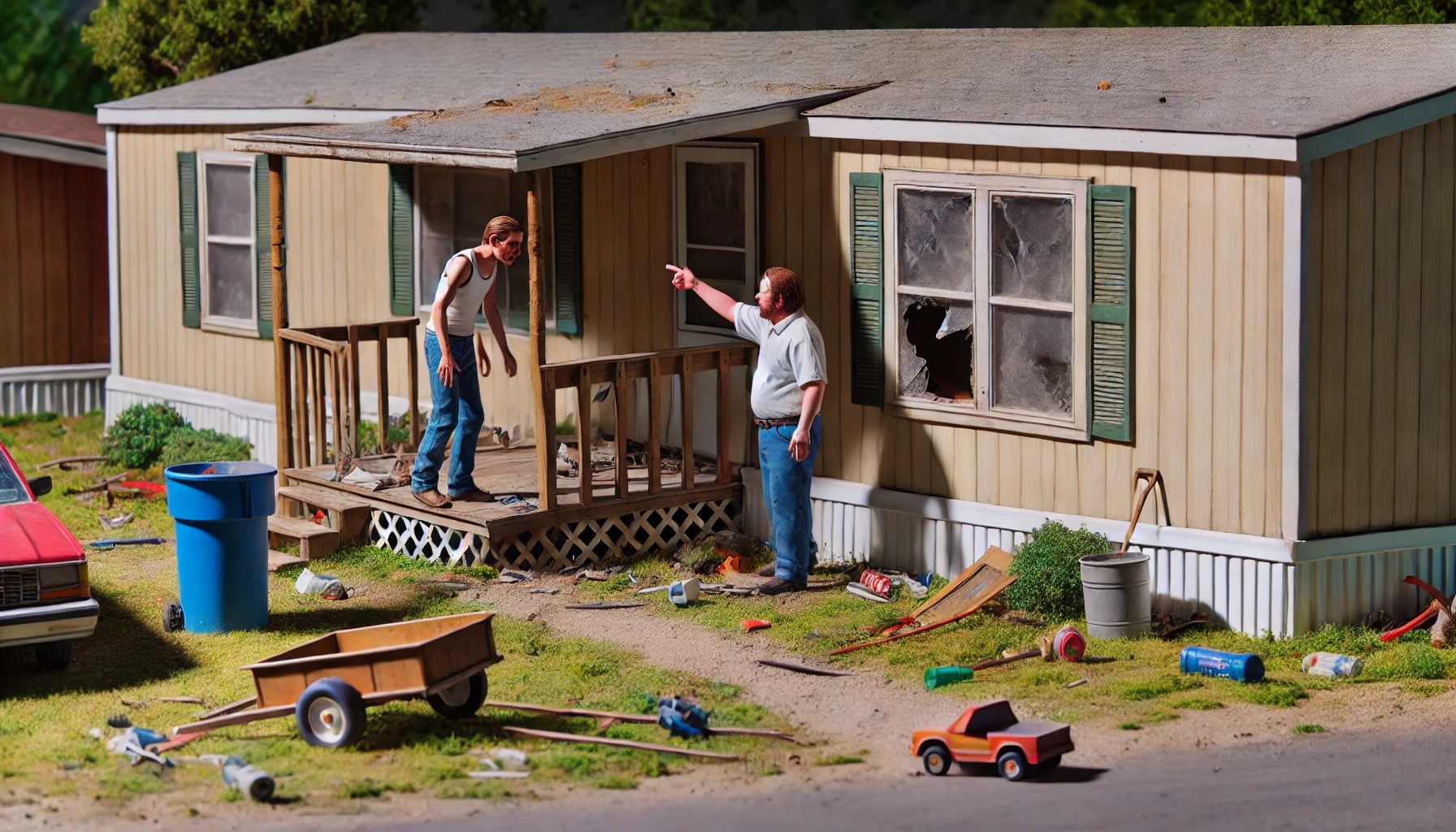
Park-Owned Homes are the overlooked and often misunderstood side of mobile home park investing. While tenant-owned homes get all the attention, POHs bring unique challenges that can overwhelm even experienced operators. I learned this the hard way. However, when managed correctly, Park Owned Homes can be a real asset and not just a liability.
If you don’t know, managing a Mobile Home Park Community has a set of challenges that runs far deeper than what you may find a Apartment facility. With each unit being its own home on its own piece of land, there are countless pieces that need to be addressed. The interior maintenance is only one piece. The exterior, the infrastructure, the trash accumulating on porches and against homes, fire pits, driveways and unwanted trampolines can all cause its own set of headaches we must deal with.
I own Park Owned Home Communities, entirely Tenant Owned Home Community and a blended Community. My set of challenges at each has caused us to rethink how we manage them.
Here’s how we turned costly mistakes into a professional and efficent system for managing our Communities.
The Hidden Costs of Neglecting Maintenance
Over the last two years of owning a community that is almost entirely Park-Owned Homes, I’ve learned a lot—mostly through trial by fire. From broken AC units to unruly pets and damaged homes, the lessons haven’t come easy.
We started receiving maintenance requests one after another. The problem wasn’t the volume of requests; it was that the issues being reported didn’t happen overnight. These were problems that had built up over months, sometimes years, and tenants only reported them when they became unbearable.
For example, we’d get calls about broken-down AC units. Time and again, we found that tenants weren’t replacing their air filters—or worse, they weren’t replacing them at all. The clogged filters were putting too much stress on our systems, leading to breakdowns. In our first year, we replaced six AC units entirely and had over a dozen other service calls tied to the same issue. It was an unacceptable expense.
Then there were the bathrooms. I walked into units where mildew covered the ceilings, unreported leaks dripped under sinks, and tenants had thrown bags over studor vents, causing condensation to build up. I found tubs with cracks that had been draining water straight underneath the home. The list of neglected issues kept growing.
One unit still sticks with me. When I arrived, I was greeted by a dog that wasn’t on the lease. As I walked past it, I turned down the hallway and noticed holes punched into the walls—leading to the bedroom, like some bizarre breadcrumb trail. I stopped to take photos, focusing on my phone, and when I turned into the bedroom, I fell straight into the floor. The tenants had removed the AC vent grates, and my foot got stuck in the exposed vent hole.
The rest of the room was even worse: more holes in the walls, a closet door hanging off its hinges, and a toilet that hadn’t worked in over a year. They just used the other bathroom. None of these issues were reported. The only reason I discovered them was because I was there to discuss their non-payment and the yard, which was filled with toys, massive holes, and random debris.
Was every tenant or unit like this? No, absolutely not. We had great tenants too. But the residents who caused damage left a lasting impression and made me question if managing Park-Owned Homes was even worth it. Maybe everyone was right—renting mobile homes wasn’t the smartest move.
We had a solid lease in place that outlined tenant and landlord responsibilities. But it wasn’t enough. Many tenants didn’t follow the rules, and we’d only discover the damage after they moved out. By then, our only options were to use the security deposit or pursue damages through legal action. Depending on the tenant, that could be a costly and time-consuming process.
The real problem? We had no clear, enforceable guidelines beyond the lease. The lease mentioned fines and eviction for violations, but it was too vague, and tenants didn’t seem to take it seriously.
They just didn’t care.
And that was the question that kept me up at night: How could I get tenants to care and be proactive?
Why Community Rule Books are a Game Changer
It wasn’t long after the frustration started to build that I knew something had to change. I needed a proactive way to address the issues, and I needed everyone in the community to be on the same page. A lease alone wasn’t cutting it. We needed something more to help govern our communities.
I started by making a list of all the problems I’d encountered:
- Tenants damaging property.
- Vehicles parked on lawns.
- Unwanted trampolines.
- Loud music, pets off-leash, and even illegal burning.
- Anonymous complaints about things like fire pits or unsafe conditions.
The list went on.
From there, I began drafting a detailed Community Rule Book. It ended up being just over 10 pages, outlining the dos and don’ts for living in our community. It covered everything: tenant responsibilities, what’s allowed on the property, and what happens if the rules are violated.
Once it was complete, we rolled it out to all current residents and included it in the lease package for new move-ins.
We faced some resistance, especially from existing tenants. Many were upset about having to remove trampolines or give up fire pits. But we held firm, explaining that if they didn’t sign and follow the rules, their leases wouldn’t be renewed, and they’d need to leave the community.
In one community, we did lose a tenant over the Rule Book. But honestly? It was for the better. We want everyone to be focused on the same mission: creating a safe, clean, and affordable place to live.
The Community Rule Book has been a game changer. It provides clear guidelines and expectations for everyone, helping us maintain a sense of order and fairness while ensuring the community remains a place we can all be proud of.
Quarterly Inspections Save the Day
We implemented a new policy in our Park-Owned Home Communities: Quarterly Inspections and Air Filter Replacements.
Our Community Manager now walks through each unit every quarter, inspecting the home and replacing the air filters at the same time. While some tenants aren’t thrilled about what they see as an intrusion into their living space, it’s ultimately for the better. These inspections allow us to catch issues early, keeping maintenance costs down and avoiding the need for excessive rent increases to cover unreported damage.
In addition to inspections, we’ve become proactive about holding tenants accountable for damages they cause. Tenant-caused damages are billed back to them, and we enforce our rules with clear Violation Fees and Damage Fees. For certain issues, we offer cure periods, followed by a reinspection. If the problem isn’t resolved, additional fines are issued.
Since implementing these policies, our management process has become much more streamlined. It’s clear, consistent, and easier for both us and the residents to follow. These inspections have helped us stay ahead of problems, reducing long-term costs and ensuring the homes—and the community—remain in good condition.
Enforcing the Policies
The Pets
How do we handle tenants who hide their pets?
We issued a fine and a notice to each tenant.
The first tenant hadn’t informed us about their two cats. When we issued the notice, we explained that they owed a $200 pet deposit for each cat and would need to pay $25 in monthly pet rent per pet moving forward. Our notices are stern—there’s no wiggle room. Either pay the fees or leave the community. If the fees go unpaid, it’s treated as failure to pay rent and a direct violation of the community rules they agreed to follow.
After the notice was delivered in person, we received a message from the tenant. She apologized for violating the policy and explained that she didn’t want to leave or get rid of her pets. She was willing to pay but couldn’t afford the full amount upfront. She asked if she could work out a payment plan.
We appreciated her honesty and her willingness to fix the issue. Our response was polite but firm. We let her know we’d be happy to work out a payment plan within our guidelines. Mistakes happen—we understand that. Thanks to our rules and processes, we were able to address this without it turning into an ugly argument. She stayed, made payments, and remained a good tenant.
The second tenant wasn’t so cooperative.
This one had been a red flag from the start. An anonymous neighbor tipped us off that she was bragging about sneaking a puppy in without paying the required pet fees. Our manager investigated and even got photos of the tenant’s child walking the dog around the property.
When we issued the notice, the tenant immediately denied having a pet. Her story changed multiple times. First, she claimed she never had a pet. Then, when we showed her the evidence, she admitted to having a dog but said she got rid of it. Finally, her story became, “The dog was just dropped off for a short time, but I don’t have it anymore.”
Dishonesty like this is a problem. If someone lies once, they’ll likely lie again. We stood firm and explained that the moment she brought the dog onto the property, she was required to inform us, fill out the necessary paperwork, and pay the fees.
When she continued to argue, we made it clear: if she couldn’t comply, we’d terminate her lease without penalty and she could leave.
At this point, we also informed her of another issue uncovered during the inspection—damage caused by her kids, including doors ripped off their hinges and holes punched in the walls. Once we brought that up, she agreed to pay both the pet fees and the damage costs.
As property owners, we have to stand firm. A violation is a violation. Tenants won’t care about the property unless they’re held accountable. Some tenants are honest and willing to pay for damages they cause. Others, like this one, will push back and deny responsibility. That’s where a solid rule book comes in handy.
The Smoking
How did we handle tenants smoking inside a unit?
We issued a notice and a $25 fine for violating community policy. The tenant was given 14 days to clean the unit and get rid of the smoke odor. After the curing period, we would reinspect the property. If the issue wasn’t resolved, another fine would be issued, and they’d face removal from the community for violating the rules.
As of now, we haven’t heard back from the tenant, but we’ll stand firm. The rules exist for a reason, and we will enforce them.
Do These Issues Only Happen with Park-Owned Homes?
Unfortunately, no. Even in tenant-owned home communities, we’ve faced challenges that require vigilance and strict enforcement of policies.
For example, at one park, we had major issues with water leaks and damage to vacant lots caused by tenants driving over water faucets. Despite our manager’s reminders to stay on the roads, some tenants just didn’t care.
One incident stands out. A tenant’s spigot broke, causing water to gush out for days. Instead of fixing it, she complained that it was our responsibility to repair it. We had to shut off water to the entire park and call a plumber to fix her problem. At that time, we didn’t have a rule book or any way to enforce policies.
That experience led us to make some major changes. We installed shut-off valves at each home, implemented Metron Meters to track water usage, and began billing tenants for their water consumption. These changes shifted responsibility back to the tenants.
Fast forward to this year—things look very different. Recently, one tenant had a leak that pushed her water bill over $100 for the month. We notified her, and she quickly shut off the water to her unit and called a plumber to fix the problem. She paid her bill without issue.
Another tenant drove through a vacant lot and broke a water connection. This time, he took responsibility. He ran to the store to buy parts to help with the repair. When our plumber arrived, the tenant handed over the parts, and the issue was resolved within an hour.
The difference? Accountability. Enforcing community rules has drastically changed how tenants respond to issues.
Takeaway
I have countless stories like this, and they all follow the same pattern. At first, tenants don’t care—because they don’t have to. But once you put a Rule Book in place and enforce it, they begin to care. Issues happen, but if we let them slide, they’ll keep happening. If we enforce the rules and require payment for damages or fines, the issues become fewer and farther between.
What I’ve learned is simple: hold residents accountable.
Yes, it’s our land, our homes, and even our infrastructure, but these things serve the entire community—not just the one person causing the issue. It’s not fair to the other tenants when:
- A leak shuts off water to the entire park.
- Honest tenants pay pet fees while others sneak in pets without paying.
- Some tenants keep their homes clean and damage-free while others cause damage and avoid responsibility.
- Rents go up for everyone because of a few bad tenants driving up maintenance costs.
We can do our best to screen tenants and only choose the most promising ones, but even the best screening process won’t predict who will hide a pet or ignore a leak.
As managers, it’s our job to uphold the rules and policies. We need clear, written guidelines that every tenant understands and agrees to. While we’d like to believe that everyone will live cleanly and act honestly, that’s not the reality. Good management means being vigilant, especially when it comes to the care of Park-Owned Homes.
We didn’t start out with quarterly inspections, and we paid the price. Maintenance costs soared and became a real burden on our bottom line. Now, by catching issues faster and repairing them early, we’re ensuring that damage doesn’t escalate.
Being stern on policy isn’t being mean. Tenants might perceive it that way at first, but enforcing rules is better for everyone. Yes, tenants will lie, tell sad stories, or claim they can’t afford to pay for damages or fines. But I’ve learned that we must stand firm. Tenants hold us to a standard—they expect us to fix things when they break. So why shouldn’t we hold them to a standard to maintain our homes and follow community rules?
Sure, you can enforce your lease without a Rule Book, or avoid quarterly inspections, and still get by. But I’ve found that it’s much harder that way. Without these systems, you face more pushback from tenants, more headaches, and higher costs. Having these processes in place—quarterly inspections and a Rule Book—makes all the difference.
If you own any Park-Owned Homes, I highly recommend a policy that includes quarterly inspections, regular air filter replacements, and a Community Rule Book. These systems can ease the maintenance burden and lessen the grind of managing Park-Owned Homes.
As Benjamin Franklin said: “An ounce of prevention is worth a pound of cure.” Take the time to prevent the issues before they happen. It’s far easier (and less expensive) than trying to clean up the mess later.
Managing Park-Owned Homes isn’t easy, but with the right systems in place—quarterly inspections, rule books, and tenant accountability—you can turn them into assets instead of liabilities. It’s a lot of work upfront, but the payoff is worth it.
Do you want to discuss this article or just talk about Parks in general? Use this link here to schedule a 1-on-1 Zoom video chat with me and Let’s Talk!
Join our Capital Partner Network and get priority on New Investment Opportunities. Receive Real Case Studies, invites to Educational Passive Investing Webinars, and Deal Webinars. JOIN NOW by using THIS LINK.
Lock N’ Load
The MHP Operator
Disclaimer: The information provided in this article is for educational and informational purposes only. It is not intended as financial or legal advice. I am not a licensed financial advisor, lawyer, or CPA, and you should consult with a licensed professional before making any legal or investment decisions.
